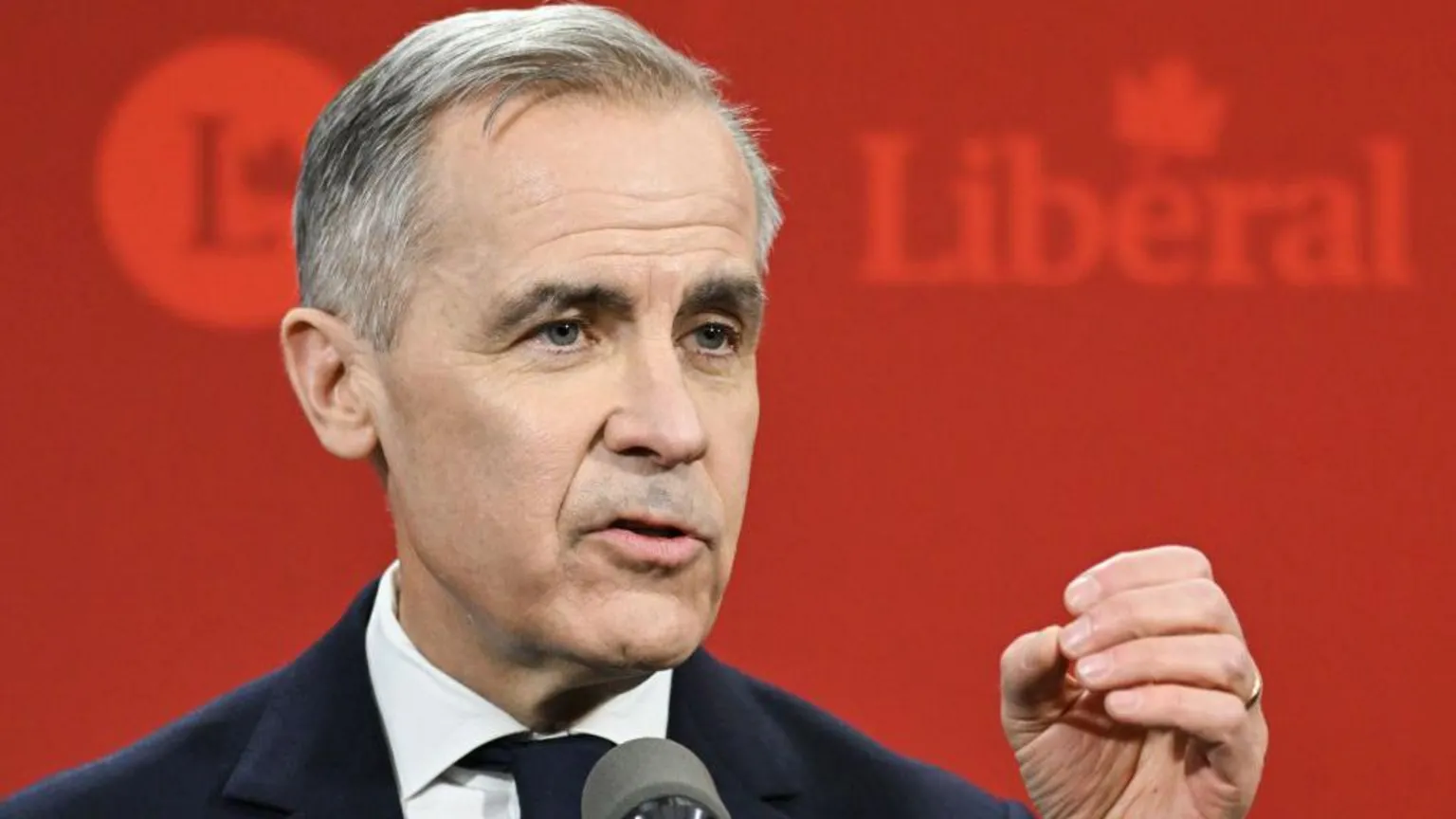
Mark Carney, a distinguished economist and former central bank governor, has been appointed as the leader of Canada's Liberal Party, positioning him to become the country's next Prime Minister following Justin Trudeau's resignation. Carney's extensive experience in global finance and public service has prepared him for this pivotal role in Canadian politics.
Early Life and Education
Born on March 16, 1965, in Fort Smith, Northwest Territories, Carney was raised in Edmonton, Alberta. He pursued higher education at Harvard University, earning a bachelor's degree in economics in 1988. Carney furthered his studies at the University of Oxford, where he obtained a master's degree in 1993 and a doctorate in economics in 1995.
Professional Career
Goldman Sachs
Carney's professional journey began at Goldman Sachs, where he spent 13 years working in various capacities across their Boston, London, New York City, Tokyo, and Toronto offices. His roles included co-head of sovereign risk, executive director for emerging debt capital markets, and managing director for investment banking. During his tenure, he was involved in significant financial events, such as South Africa's post-apartheid venture into international bond markets and the 1998 Russian financial crisis.
Bank of Canada
In 2003, Carney transitioned to public service as a deputy governor of the Bank of Canada. By 2004, he became the senior associate deputy minister for the Department of Finance Canada. His leadership during the 2008 financial crisis was pivotal; he proactively cut the overnight rate by 50 basis points in March 2008, anticipating global economic challenges. Canada's economy outperformed its G7 peers during this period, with both GDP and employment recovering to pre-crisis levels ahead of others.
Bank of England
Carney made history in 2013 by becoming the first non-British citizen to serve as the Governor of the Bank of England. His tenure until 2020 encompassed significant events, including navigating the economic implications of Brexit. His leadership was instrumental in maintaining financial stability during these turbulent times.
United Nations and Climate Initiatives
After his tenure at the Bank of England, Carney served as the United Nations Special Envoy on Climate Action and Finance. He launched the Taskforce on Scaling Voluntary Carbon Markets, aiming to enhance trading of voluntary carbon offsets. This initiative underscores his commitment to addressing climate change through financial mechanisms.
Transition to Political Leadership
Carney's shift to political leadership culminated on March 9, 2025, when he was elected leader of Canada's Liberal Party, succeeding Justin Trudeau. His unanimous election reflects the party's confidence in his vision and leadership capabilities. Carney's extensive experience in economics and public policy positions him to address Canada's current challenges effectively.
Policy Focus and Vision
Carney's leadership is expected to focus on strengthening Canada's economy, enhancing resilience against global economic uncertainties, and addressing climate change. His background suggests a commitment to integrating sustainable practices within economic frameworks, aiming for long-term prosperity and environmental stewardship.
Conclusion
Mark Carney's appointment as Canada's Prime Minister-designate marks a significant transition from global finance to national leadership. His extensive experience and proven track record in managing economic crises and advocating for climate action position him to lead Canada towards a resilient and sustainable future.



0 Comments